
Changxiao
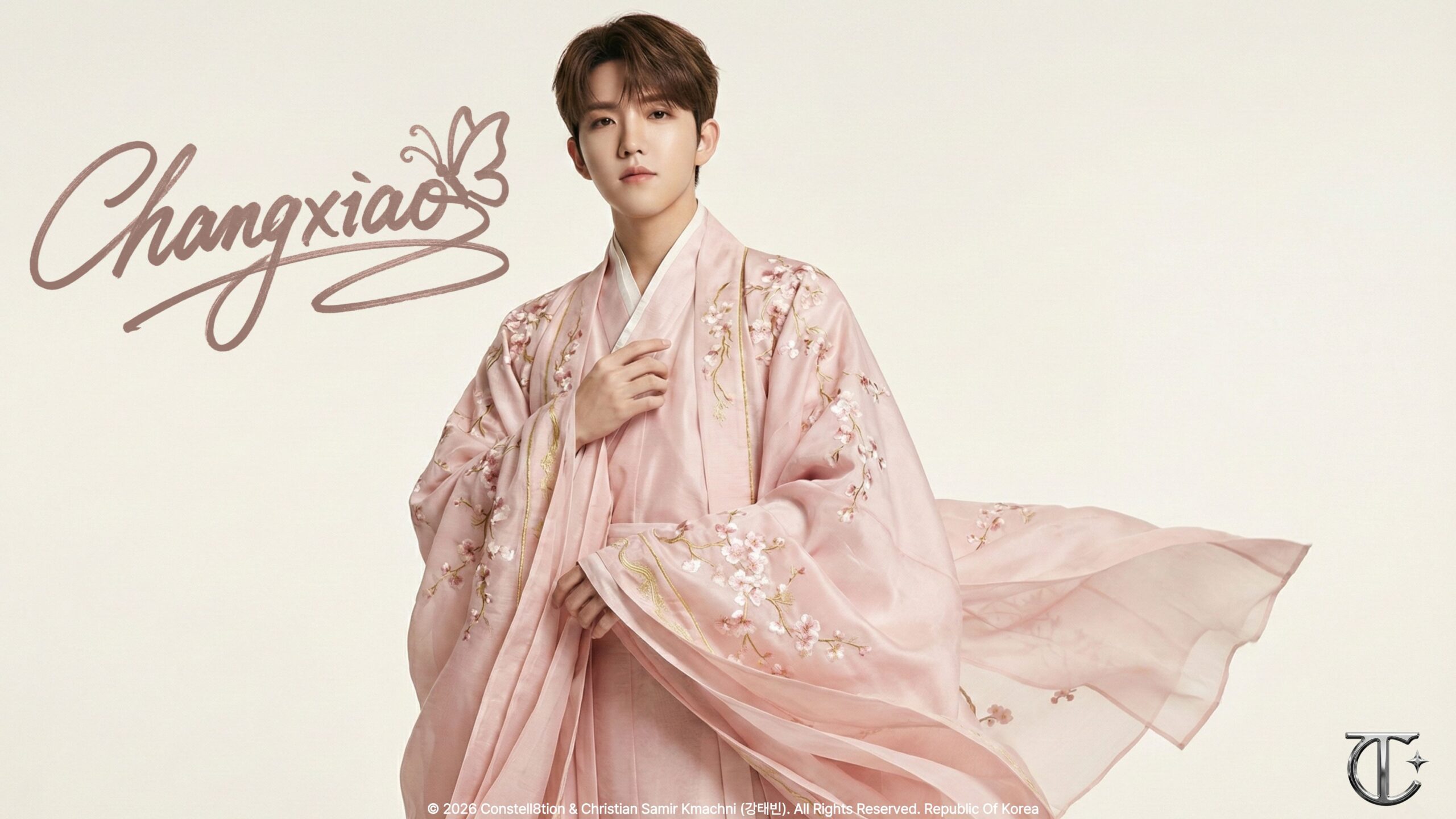
In this interview, Changxiao opens up about grief, silence, and irreversible loss, revealing the emotional core of “If I Could Turn Back Time” and the vulnerability behind its haunting sound.
1. “If I Could Turn Back Time” feels incredibly intimate and heavy. What was the emotional starting point for you when approaching this song, both vocally and mentally?
The starting point was the silence after a goodbye. Usually, when we record pop music, we are trying to fill the room with energy. But for this track, I had to empty myself first.
Mentally, I went back to a specific memory of sitting in a room that used to be loud with laughter, but was now completely quiet. That specific heaviness where the air itself feels thick with absence was where I needed to live. Vocally, I wasn’t trying to ‘sing’ the notes; I was trying to whisper them into that empty space. I wanted the listener to hear the fatigue in my voice, the exhaustion of someone who has spent too many nights bargaining with a memory that won’t answer back.
2. The music video transforms what many fans first heard as a breakup song into a story about mortality and irreversible loss. When did that narrative click for you, and how did it change the way you performed the song on camera?
It clicked when I realized the difference between ‘missing someone’ and ‘mourning someone.’ In a breakup, there is still anger, there is still a possibility of seeing them again.
But in mortality, there is only a terrifying stillness. That changed everything on camera. If it were just a breakup, I would have acted with passion or frustration. But because it was about irreversible loss, I had to perform with fragility. I stopped trying to look ‘heartbroken’ and started trying to look ‘haunted.’ I imagined that if I sang loud enough, I could reach across the divide… but knowing, deep down, that the wall between us is permanent. That realization took the anger out of my eyes and left only the grief.
3. You’re known for your mastery of traditional instruments like the Guqin and Guzheng, yet this track is built around a solitary piano. What did stripping the arrangement down to its bare bones allow you to express that a fuller production might not have?
I have always felt that the piano is the truest vessel for tragedy. It is percussive yet melodic; it sounds like a heartbeat that is slowing down. For me, the piano represents my own hopelessness; it is the naked sound of the tragedy living inside my chest, cold and isolated. But I couldn’t stay in that coldness forever. I needed the orchestra to be the counterpoint. If the piano is me standing alone in the dark, crying out… then the orchestra is the comforting embrace that finally wraps around me. It is the warm arms of a memory, holding me up when my own legs are too weak to stand. The song is a conversation between my solitude and the comfort I am desperate to feel again.
4. Your vocal performance moves from fragile restraint to a powerful emotional release. How conscious were you of shaping your voice to mirror the stages of grief portrayed in the video?
The restraint in the beginning… that is the sound of holding your breath. It is the ‘Denial.’
You are tiptoeing around the memories because you are afraid that if you make a sound, the reality will crash down on top of you. I sang those verses like I was trying to keep a candle from blowing out in a storm, careful, terrified, and quiet. But the release at the end… that is the ‘Bargaining.’ It is the moment you stop whispering and start begging. I wanted that climax to feel violent, not beautiful. It had to sound like something tearing inside the chest. It wasn’t about hitting the high note; it was about throwing my entire soul against a door that I knew would never open again. It is the sound of a heart finally accepting that no matter how loud it screams, the past is not coming back.
5. This release marks a very different chapter in the Year Of Constell8tion campaign. How does stepping into a solo, cinematic spotlight reshape your identity within Constell8tion as a whole?
In the group, I am usually the ‘Anchor’ the steady hand that keeps everyone else grounded. I am the one who smiles and tells the members, ‘Everything will be okay.
But this solo peels back that smile. It reveals that my calmness is not just a personality trait it is a survival mechanism. I am calm because I have learned how to carry heavy things without shaking. Stepping into this spotlight changes how people see me; I am no longer just the ‘peaceful’ member. I am admitting that the quietest person in the room is often the one screaming the loudest on the inside. For the first time, I am putting down the weight I usually carry for the team and saying, ‘Look, I am broken too.’ It shifts my identity from being the ‘Protector’ to being the ‘Survivor.
6. The song asks an impossible question—what would you give to change the past. What do you hope listeners sit with after the final piano note fades and the screen goes black?
I hope they sit in silence. Because that silence is the only answer we get. No matter how beautifully we sing, or how loud the orchestra swells to comfort us… eventually, the music stops. The screen goes black. We cannot go back. I want that silence to be a wake-up call. I want listeners to look at the ‘boring’ moments in their lives: a quiet breakfast, a walk home, a sleepy conversation and realize that these are miracles. We spend so much time chasing the big moments that we forget the small ones are the first to fade. If this song makes just one person put down their phone and hold someone’s hand a little tighter… then re-living my own heartbreak was worth it.