
Giuseppe Cucè
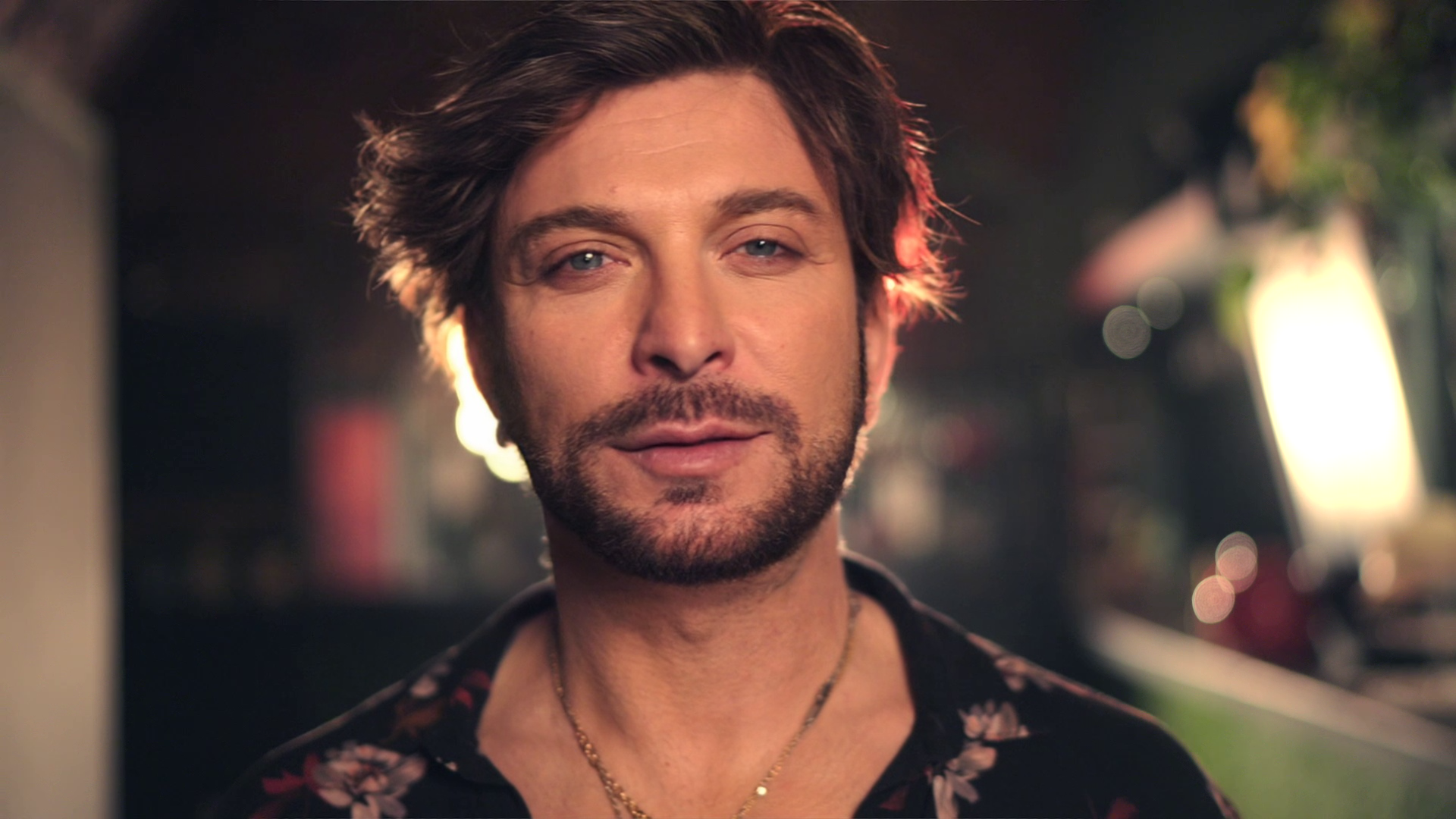
In this interview, Giuseppe Cucè explores translating his music into Spanish, blending cinematic indie pop with Italian and Latin roots, and creating intimate, timeless songs that prioritize emotion and authenticity over trends.
1. El mundo es verdadero adapts your Italian song È tutto così vero into Spanish. What drew you to this new language and how did it reshape the song emotionally?
The song already carried a strong physical and emotional pulse, and at some point, Spanish felt like a natural extension of that energy. I wasn’t interested in a literal translation, but in allowing the song to breathe in a new emotional landscape. Spanish reshaped the song by making it more instinctive, more exposed. Certain emotions—desire, truth, vulnerability—seem to move differently in that language, and the song followed that movement organically.
2. Your music blends cinematic indie pop with Latin influences and Italian songwriting roots. How do these elements come together in your creative process?
They come together through emotion rather than calculation. Italian songwriting gives me a strong narrative and poetic foundation, cinema influences the way I build atmosphere and dynamics, while Latin elements bring rhythm and physicality. I don’t layer these elements consciously—they merge naturally as long as I stay connected to the emotional core of the song. When the emotion is honest, the languages speak to each other without conflict.
3. The single explores invisible emotional weight—memory, loss, and transformation. How personal was this story, and was it challenging to make it universal?
The story is very personal, but I believe intimacy is what allows universality to exist. The challenge wasn’t protecting myself—it was trusting that by being specific and sincere, others would recognize their own experiences in it. Memory, loss, and transformation are silent weights we all carry. I didn’t want to explain them, only to let them exist inside the song.
4. You emphasize authenticity over trends in this release. Why was that especially important for you at this stage of your artistic journey?
At this point in my journey, I’m more interested in permanence than immediacy. Trends pass quickly, but truth remains. I feel a responsibility toward my own voice and toward listeners who seek something real rather than something efficient. This song needed time, space, and imperfection—qualities that can’t be rushed or formatted.
5. The track invites slow, reflective listening rather than instant impact. How do you hope listeners emotionally connect with it?
I hope listeners allow the song to accompany them rather than impress them. It’s meant to be listened to in quiet moments, when defenses are lower. If the song manages to slow someone down, to make them feel less alone with their thoughts, then the connection has already happened.
6. Presenting this song live and on radio showcases adds another dimension. How does performing El mundo es verdadero change or deepen its meaning for you?
Performing the song transforms it from a private confession into a shared space. On stage or on radio, I feel the song no longer belongs to me—it becomes a meeting point between different lives and stories. Each performance adds new layers of meaning, reminding me that a song is never finished; it continues to evolve through the people who listen to it.