
Apstara
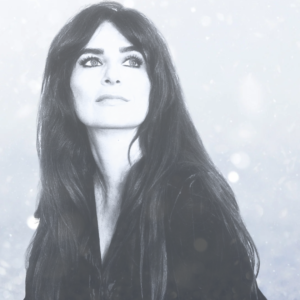
Apstara reflects on the inspiration behind “Wintertide,” exploring nature, stillness, musical collaboration, and the power of music to offer moments of peace, beauty, and reconnection.
1. “Wintertide” offers a peaceful alternative to the usual holiday songs, encouraging listeners to slow down and appreciate the beauty of winter. What inspired you to create this song, and what message did you hope to convey?
When it comes to the holidays, it can be so easy to get so caught up in the shopping, the planning, and all the activity that we forget to stop and actually experience the season itself.
Winter has a special kind of beauty. There’s something magical about the stillness, the quiet, the way the light falls, and the sense of peace while nature slows down or lies dormant for a spell. I wanted to capture some of that feeling in a song.
“Wintertide” is an invitation to step away from the hustle and bustle for a moment, take a few breaths, and appreciate the beauty that’s already around us. It’s a reminder that some of the greatest gifts aren’t found in a store but rather found in the world around us, and in the moments we take to simply be present.
2. Your music blends ethereal vocals with classical, cinematic, and New Age influences. How do these different musical styles come together to shape Apstara’s distinctive sound?
While I have so many different musical influences and love many genres of music – everything from film scores to 90s grunge – I’ve always been drawn to music that creates a real vibe or atmosphere and takes you somewhere emotionally.
Ultimately, I don’t really approach music with a particular genre in mind. I’m more interested in how I want someone to feel when they listen. And when it comes to the Apstara project, I always want the music to create a space where people can breathe, let their shoulders drop, and reconnect with themselves. That emotional intention is really what ties everything together.
3. The harp played by The Bentley Project adds a particularly delicate and organic dimension to “Wintertide.” How did this collaboration come about, and how did the harp influence the song’s final arrangement?
This is the beauty of collaboration and things organically coming together. I completed this song back in July – without harp. I met Theresa Bentley in October of this year during Grammy first-round FYC season, as we were both on the first round ballot in the New Age, Ambient, or Chant category. I heard her project and fell in love with her harp playing and I thought the harp would be a beautiful addition to “Wintertide,” and so I approached her about the idea and she was lovely to work with.
The song is intentionally quite sparse (like trees are in winter!), so I didn’t want to overwhelm it with too many layers. But Theresa’s harp adds really beautiful movement and texture while still allowing plenty of room for the vocals and piano to breathe. Adding that one extra element enhanced the airy, dreamy, wintery atmosphere I wanted to create with this song.
4. Nature, stillness, and the beauty of the present moment are central to “Wintertide.” How important are these themes in your songwriting, and do you see music as a way of helping listeners reconnect with themselves and the world around them?
I can tell you have been listening to my music by asking this question – thank you! I think spending time in nature and allowing ourselves moments of stillness and presence can be profoundly meaningful, and is a very integral part of the music I make. I absolutely see music as a way of helping people reconnect. That’s really at the heart of Apstara: I want to create music that offers a little refuge from the demands and noise of everyday life. Most of us aren’t willing to commit to an hour of meditation or an entire afternoon to ourselves. Sometimes just one minute, one beautiful melody, or a moment with a voice that reminds us to take a breath and come back to ourselves can guide us back into the right direction. It might not cause enlightenment or a dramatic epiphany, but if someone listens to my music and feels a little more peaceful, a little more grounded, or simply more connected to the beauty around them, then I’ve accomplished what I set out to do.
5. As a singer, songwriter, composer, and producer, you handle several creative aspects of your music. How does having control over the different stages of the creative process influence the way you bring your musical ideas to life?
Because I sing, write, compose, and produce, I can take an idea from its very first spark (or voice memo, lol) all the way through to the finished recording. I might hear a melody, imagine a particular atmosphere, or have a sense of the emotional journey I want the listener to experience. Being able to work across all these different aspects allows me to develop that initial inspiration without losing sight of the original intention.
It also gives me a lot of creative freedom. I can experiment with sounds, arrangements, and vocal textures until everything feels right. I don’t have to feel stressed about asking for more mix adjustments, or wanting to tweak a lyric after having “finalized” the song.
6. Your One-Minute Mantras series reached #1 on iTunes New Age, and Apstara continues to explore music as a refuge from everyday noise. What are your plans for the project moving forward, and what would you like listeners to experience through your music in the future?
I’m really excited about where Apstara is going. One of the things I’ve been developing is my One-Minute Mantras series, and yes, it was recently fortunate enough to reach #1 on the iTunes New Age chart. The idea behind it is to make moments of peace and reflection accessible, even to people who feel they cannot carve out much time for themselves. I’m planning to write and release a lot more of them next year, as they have definitely been connecting with listeners.
I’m also continuing to explore different thematic directions. In fact, I have a solo piano album coming out in just a couple of weeks called solo/loquy, inspired by my recent trip to the Swiss Alps. It incorporates some of my own field recordings from the region, so it’s a very different, but equally personal – and nature inspired – musical experience.
Ultimately, I want people to know that Apstara is a place they can return to whenever they need a little breathing room, a little beauty, a little reset. Life can be incredibly demanding, and I think we underestimate how important it is to give ourselves permission to pause.
While music in this space is often designed to be played in the background, that isn’t the intention of my music. I’d love for people to actively listen, even if it’s just for a minute or two. To find a moment of beauty, a sense of calm, or perhaps a little inspiration they can carry with them into the rest of their day.
That’s what Apstara means to me: a musical sanctuary to reconnect with ourselves, each other, and the world around us.
@apstara | Come As You Are (Nirvana) – Etherealized, | Beacons