
Floor Element
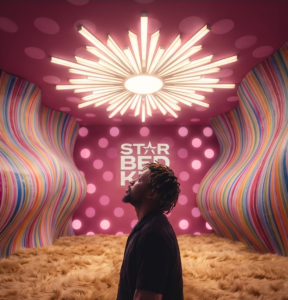
Floor Element explores the conflict between good and evil on Halloween, blending dark electronic sounds, personal experiences, family heritage, and spiritual themes into a deeply personal EP.
1. Hello guys and welcome to the Interviewist! “Halloween” takes listeners through a journey from darkness and inner turmoil to divine light. What inspired you to build the EP around this particular concept, and why did you choose Halloween as its setting?
Halloween used to be magic. Now it’s commercial. Fewer kids knock every year. Last time, it was grown adults with carrier bags, grabbing handfuls of sweets and not even saying thank you. Somewhere along the way the fun disappeared and fear took over.
But Halloween is still the one night we openly talk about good and evil, and if there’s good, there must be its opposite. That idea runs deep in my family. My mum and my sister were devoted to the church. My brothers weren’t, and they were labelled the devils of the house for it.
My mum also told me a story about my father that I still find hard to believe: she caught him pouring a toxic smelling liquid into the four corners of the bedroom. Black magic, she said, to make her move to Nigeria. We did eventually go, for a year. When we came back to the UK we’d lost everything and ended up homeless, living in temporary accommodation in Victoria.
So the EP is about evil hiding in plain sight: in people, and in institutions that have gone quiet when they should be speaking up. Tracks one to four explore evil in different forms. Track five is the redemption, with music and faith as the vessel, paying homage to my mum and my sister, who never stopped believing. Actions speak louder than words, and only a bright light shows you someone’s true intentions.
2. Your music combines dark synthwave, electronic dance, cinematic soundscapes, spoken word, and heavy bass. How do you approach blending these different elements while maintaining a recognizable identity as Floor Element?
No boundaries. Wherever the music wants to go, we let it go, and we’re not scared of rejection. Plenty of curators have turned our tracks down because we use AI. Fine. People once said computers were cheating and sampling was a crime. I have a degree in Sound & Music Recording, and I don’t need anyone’s validation.
We will never water the music down to chase clicks or squeeze into a genre. It comes from real experience, and if it connects with one person, the job is done. There are no guarantees in this game. For every artist who makes millions, there are millions who don’t. Life can suck. That’s kind of the point of track four.
3. Tracks like “Moon Demon” and “Devils Triangle” explore evil thoughts, supernatural forces, and communication with spirits. Are these themes inspired by personal experiences, imagination, or a deeper interest in the unknown?
They’re real. Every bit of it. Moon Demon is the follow up to “Seek N Destroy”. My older brother Franklyn met a woman who asked him to help with her studies. He was smitten, and for years he helped her with every assignment. The day she got her degree, she dumped him and said things that cut deep. If you’ve watched someone you love fall apart after their heart’s been ripped out, you know it divides a family, because nobody knows how to fix it. That’s a Moon Demon. They hide in plain sight until it’s too late, then take everything you believed in. Be careful. Everyone knows one. Look around your circle.
Devils Triangle twists the Bermuda Triangle into something darker. It’s our homage to nu-metal, with words written by Blac Narc, and it’s what we call “devil rap”: speaking to spirits, casting spells with words to get whatever you want. It’s a metaphor for how much rap is about sex, money and violence, and how little is about what’s broken in society.
It asks the questions people whisper in comment sections at 3am. Is society run by lizard people? Do you have to sacrifice your firstborn to stay famous? Who really benefited from lockdown? Or is it all made up for clicks? Press play and decide. One thing’s clear: if people worship God, it’s not inconceivable that others worship the devil.
4. “Life Sucks” introduces a raw, existential moment within the EP. What made you want to confront such a direct and uncomfortable subject, and how does this track contribute to the overall journey?
Life Sucks is a burst of raw anger. Under two minutes, short and aggressive on purpose. Have you ever done something out of character because you were scared, or because years of frustration finally boiled over? That’s the feeling.
I used to believe in karma. But my family were good people, and they’re all gone.
Good people die young. After one of my brothers passed, one of his exes visited my mum to tell her she’d had a vision: my brother was in hell, begging for help. A classic Moon Demon, using grief and spirituality as a vehicle for her own ends. But no one knows a child like a mother. He did bad things when he was young, but he found redemption. And if he did go to hell, he wouldn’t be begging. He’d be leading the rebellion, a warrior for justice and truth.
Think of the man or women with one day left before retirement, a head full of plans, who never wakes up the next morning. That story isn’t rare. You don’t have as much time as you think. So go out today and live your best life.
5. The EP concludes with “Awosika”, where Priest Awosika represents spiritual guidance and the triumph of good over evil. What does this character symbolise to you, and why was this the right ending for the story?
Awosika is the most personal track I’ve ever made. Its my close families name. It brings together everything I’ve learned in music and in life, and it pays homage to my family’s Nigerian and Guyanese heritage.Only now, years later, do I realise what a magnificent job my mum did raising four kids on her own in the UK. She could have put us in care and lived her own life. Instead she worked two jobs, never remarried, and we never went hungry.
There are many Priest Awosika’s out there, people who pull others out of the dark. This record is for you. After darkness, there is light. Come into the light.
6. You describe experimentation as essential to your creative identity, while also paying homage to the golden era of dance music. Looking ahead, how do you plan to push Floor Element’s sound further, and what would you like listeners to discover about your music beyond this release?
Let the music breathe. You’ll find us on the Bright Halogen Sound Labs YouTube channel, TikTok, Instagram and every streaming platform. Come and discover the sound and the message for yourself.
After this, Floor Element is taking a long break, and we’ll only return when we have another message for the masses.
So listen now : @brighthalogensoundlabs | Linktree