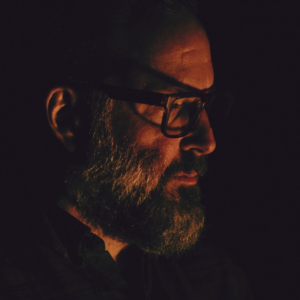
WiL
In this interview, WiL reflects on the creative journey behind “Pieces,” his songwriting process, musical partnership with Leeroy Stagger, industry experiences, and the powerful emotional connection music creates.
1. “Pieces” has an interesting origin story, having started as a potential composition for a media campaign. Is writing music to accompany visuals something you’ve done much of in the past? How does that creative process differ from sitting down to write a song from scratch?
So, this is actually a really great question based on the answer. To date, my most meaningful or successful songs that have moved people the most over the past 20 years have come from writing/composing to commercial jobs. They would begin as a seedling or 30-60 seconds of music to film that moved me, then evolve from that. My great friend and mentor, Dan McManus, has had me working in this field for many years and always encouraged me to finish something if it felt special, even if it was never used in the commercial world.
2. There’s a sense of nostalgia running through “Pieces,” but also a reminder to keep living life to the fullest. Are you someone who tends to look back and reflect on the past, or are you more inclined to focus on what’s happening right now?
I’m definitely a “be present and move forward” gent nowadays, after conditioning myself to let go of the past. Learn from it, be inspired by it, but never dwell. To harken back to things is inevitably a connection we have, especially when things were simpler or seemed better. But I would add that in 10 to 20 years from now, we may be feeling exactly this way as well, so reflecting with fondness, if one is fortunate enough to have a charmed life, is important, of course, but being here right now and moving forward, constantly evolving and ebbing and flowing, is only how we will ever have something nice to look back on.
3. You’ve developed a pretty recognizable sound over the years, particularly when it comes to your guitar playing and vocals. When you’re working on new material, how much of the arrangement comes naturally, and how much is the result of experimenting in the studio?
So, each and every time I’ve sat down to write a song, I finish a song. It could be from picking up the guitar and muttering melodies for a few bars, or building a click drum loop to play piano over and bullshit some freestyle words to, then seeing the seed and building the film from there. Literally create a film in mind with an engaging beginning and a visually stunning opening environment, then take a listener through the description of this story/film by explaining the feeling of being in it or living it. Have the idea, then extrapolate heavily for a 90-minute movie that only has to be a 3-minute song? Hah!
4. You’ve worked with Leeroy Stagger on “Pieces,” and the two of you have also shared the stage recently. What do you appreciate most about working with Leeroy, and what do you think makes your musical partnership click?
He and I connected many moons ago, there was sort of a big brother/little brother thing happening naturally for us. Who embodied which role can also change and has over the years. Now, more so, he can help me see my worth in all of this, stop questioning so many decisions, believe in the voice and the song, strip it the fuck back, and not hide behind noise. We are both fiercely emotional beasts that only know how to support one another vs. be in each other’s way, I would say. Trust is the biggest thing that comes with someone’s intention for any of us, really.
5. You’ve been making music and performing for a long time, and you’ve certainly seen your share of changes in the industry. What’s something you’ve learned along the way that’s changed how you approach your career, whether it’s songwriting, recording, or connecting with fans?
I have learned that no matter how it all changes, evolves, pushes and pulls, it has always been an industry designed to test the mettle of anyone, as well as set up for one’s failure, that’s its nature. It is not organic or based on vibes and anyone’s feelings, it is an industry through and through, and no matter what it does, it does it with or without you. So in the end, having the one thing it cannot take from you is always the most important thing. We give and give and give, but then it can continue to take and take, that’s called “sharing” nowadays, apparently. So in the end, having the thing, that one thing I have learned to have that has been a constant, is me and performing for people no matter what end of the spectrum of a numeric qualification we happen to fall on. Just be so damn fiercely good, and in control of something that it cannot be taken away, I reckon, no matter its successes or failures.
6. Now that “Pieces” is out in the world, what kind of response have you been getting from listeners? Has anyone shared a particularly memorable interpretation of the song or connected with it in a way you didn’t expect?
WiL: Yes, I recently watched a man sitting alone in the audience moved to tears while we were performing the song. Seeing that happen in real time moved me, too. Part of me wanted to stop the show and console him, but the performer in me knew to keep going. All I knew was that the song had done its job. Whatever his reasons for being moved, the words I spent so much time writing had connected with him. They actually meant something. And if a song only ever connects with one person that deeply, then it’s a job well done. At the end of the day, we’re really just a moving company.