
Mike Power
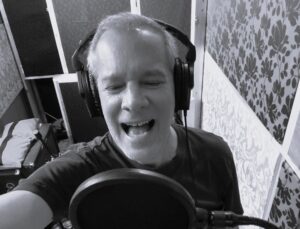
In this interview, Mike Power, reflects on his underground roots, decades of musical evolution, and Changing of the Garden, an album exploring love, hope, and transformation.
1. You’ve been part of New York City’s underground music scene for many years, performing at legendary venues such as CBGB’s and Kenny’s Castaways. How did those early experiences shape you as a musician and songwriter?
When I first started playing in bars and clubs of the city in the 1990s, New York was a magical place. It still is, but things have changed, as they always have to, and should. I also learned a lot from my bandmates in Late Model Humans during those years and those experiences come through in all of my playing and writing.
2. Your upcoming album, Changing of the Garden, begins with a song described as an explosion of love too powerful to remain a secret. What inspired this first single, and how does it introduce the album’s overall themes?
The inspiration for “You Have To Know” is that burning desire that comes from romantic love, when it is not enough to have the feeling but to share it with the person you love. There is a vulnerability in telling someone you love them unlike anything else, leaving you totally exposed. The album’s overall theme is about the need we have for new and better ways of thinking about ourselves and each other. Love is always a good starting point.
3. New York has a rich musical history, particularly within its underground scene. How has the city influenced your songwriting, and what changes have you witnessed in its music culture throughout your career?
When I first came to New York, I lived on Bleecker Street in Greenwich Village and there were still traces of the folk music movement of the 60s that was colliding with the explosion of punk and new wave of that time. All those influences burn their way into my songs. The biggest change in the music culture I’ve seen in my time in the city is that a lot of the creative energy I knew in the Village has gone across the bridge into Brooklyn.
4. After years of performing and creating music, how has your approach to songwriting evolved? Do you find yourself drawing inspiration from different experiences or perspectives today than you did earlier in your career?
One of the greatest advantages of getting older is having a broader perspective. The breadth of my experiences gives me a lot more to draw from in my writing. As far as the music goes, it gets boring playing the same style, so I have enjoyed learning different techniques in writing, singing, and playing instruments. Malcolm Gladwell says it takes 10,000 hours to master a skill. If he’s right, I should be there by now.
5. The title Changing of the Garden suggests transformation, growth, and new beginnings. What does this title mean to you personally, and how does it connect with the stories or emotions explored throughout the album?
We are living through anxious days, filled with anger and hate, and it makes me yearn for a world where hope and love can breathe free again.
There once was a garden called Eden. That garden died a long time ago. But, as is the way with gardens, it released seeds into the air that are still floating around us today. In this unique moment, there is an opportunity to grow something new and better from the fertilizer all around us. We just need A Changing of the Garden.
6. With Changing of the Garden on the horizon, what are you most excited for listeners to discover about this new chapter of your musical journey, and what do you hope they take away from your songs?
I am most excited for listeners to hear the variety of music on this album. There are a couple of songs that are just acoustic guitar, vocals, and strings, while others feature a full band with layers of vocals and instrumentation. There is also a variety of lyrical directions, from love songs to protest songs. I have never spent as much time writing, recording, and mixing these songs and hope listeners will all be able to find something on this album that connects with and inspires them.