
Paul Jarmer
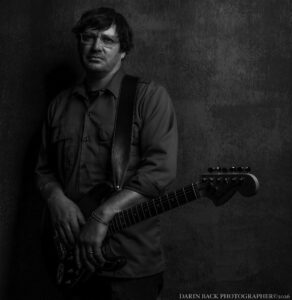
In this heartfelt interview, Paul Jarmer opens up about “Stay,” a deeply personal song shaped by love, loss, recovery, and the lasting bond with his mother.
1. “Stay” is deeply connected to the final chapter of your mother’s life. When did you first realize this experience needed to become a song, and what did songwriting allow you to express that ordinary conversation couldn’t?
That’s the beauty of writing songs. How intense music can be when fit with lyrics and how intense lyrics can be when fit with music.
2. The line about finally getting sober and keeping the promise you made to your mother carries a lot of emotional weight. How did it feel to put that moment into words and music?
I am incredibly proud of where I am and what I’ve overcome. Putting that moment into music kind of solidifies all of the work her and I did to get to this version of me. And the recording will outlast both of us, it’s a permanent tribute to her.
3. You’ve described a major shift in your songwriting, with lyrics now coming before the music. How has beginning with the words changed the way you create and the kinds of stories you’re willing to explore?
I’ve got a lot to sing about so that kind of becomes the motivating factor for even writing a song. And I’m also a lot more forward about what and how I’m saying things. I’m not leaving a lot of room for misinterpretation. I used to find a cool guitar part and the rest of the song was built around that. When I start with lyrics and a message then that’s what directs the song. I still do work around cool guitar parts but sometimes you don’t want to get in the way of a message, so you gotta hang back for a moment.
4. Your return to music follows years of addiction, homelessness, recovery, therapy, and rebuilding your life. How has everything you experienced during that period changed the artist and songwriter you are today?
I want to write about all of these experiences. Therefore, I’m a lot more focused on lyrics and getting these stories and emotions out. Its incredibly therapeutic to kind of let it go, to release it. Lyrics were kind of an afterthought in my older songs. They meant something to me, but were also kind of vague and I left a lot of room for interpretation. I am really proud of where I’ve landed musically and lyrically. I wouldn’t recommend the journey to get to this point, but here we are.
5. “Stay” was recorded at The Terrarium with Jason Orris and features drummer Noah Levy and upright bass. What did each musician bring to the song, and how did the recording process help shape its emotional atmosphere?
I had a pretty decent demo of ’Stay’. When I demo songs it’s me initially playing all of the parts. The drum track is me sequencing midi drums, and the bass is me messing around with a big four-string guitar. I can play drums and I can play bass, but I am not a bass player, or a drummer. I am a guitar player and a singer, so from my demo I will keep some guitars and some vocal tracks, but I prefer a human bass player and a human drummer. Jason Orris suggested Noah Levy because he’d been recently working with him on some Brian Setzer project. Eric Maki, the bass player is from northern Minnesota where I’m currently living, so he was easy to find. Eric had a solid fretless bass part worked out from the demo version I sent him. We tracked Eric’s part at The Terrarium and Noah was the final element. I was not prepared for Noah and how much he could move the song. And he was the final instrument recorded on ‘Stay’. Noah brought it from a canned demo drum part to this living, breathing entity. It’s cliche but he and Eric brought the song to life. Rather, brought life into the song.
6. The song explores the universal feeling of wishing we had more time with someone we love. Looking back now, what do you hope listeners take away from “Stay” when they hear it?
I think listeners can easily relate to “Stay”. I think we all have some “parent” or person that gave us so much of themselves and it’s impossible to return that time and effort within a lifetime. So when they’re gone it’s hard to not feel like you could’ve done more to acknowledge how important they were to you. No matter how prepared we think we are, it’s difficult to not feel some regret. To not feel an imbalance between what they gave and what you gave back.