
Rusty Reid
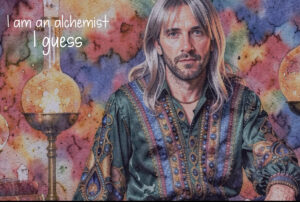
Rusty Reid reflects on the inspiration behind Lone Stardust: Masterworks of Texas Songwriters, discussing the art of reimagining beloved songs, celebrating overlooked writers, and the creative path that continues to shape his music.
1. Lone Stardust: Masterworks of Texas Songwriters is a unique concept album that celebrates songwriters connected to Texas. What inspired you to dedicate an entire project to interpreting the work of fellow Texas-linked writers, and how did you choose the 19 songs featured on the album?
Hello there, I appreciate the chance to chat. Yeah, the idea just came out of the blue after a buddy and I recorded a couple of songs from some of our favorite songwriters back in Houston. When those were complete, I thought, “Why not a whole album of songs by Texas songwriters?” Those first two recorded songs turn up as the first cuts on Lone Stardust. With these, a template was set with lesser known songwriters included on the album not just the usual “best Texas songwriters.” The other 17 songs selected were my long-time favorites or newer discoveries. My basic criteria was a song I could sing with sincerity and authenticity, that also featured a great theme, a great melody and lyrical gravitas.
2. The album balances well-known classics with lesser-known gems. What was your approach to introducing listeners to overlooked songwriters while also paying tribute to legendary names such as Buddy Holly, Roy Orbison, Townes Van Zandt, and Kacey Musgraves?
There was no actual intention of going that way, that’s just how it happened to end up, and I’m pleased that it did. A big part of that ratio was that I’ve been around Texas songwriters a long time. I know where there are great songs squirreled away that few have heard. This was my opportunity to bring them to life and light again.
3. Some of the tracks stay close to the original arrangements, while others take bold creative detours. How do you decide when to honor a song’s original spirit and when to completely reimagine it?
Yeah, the album is split nearly in half in arrangement style, as well. Again, not planned, just the way it worked out. Mostly I just went with my gut feelings about how things should go. If it was an arrangement like “I Can See Clearly Now” or “Only the Lonely,” which are so iconic and close to perfect as-is, I tended to want to follow it fairly closely, yet add my colors of personality. Both of those songs are faithful to the original, but have totally different guitar bits going, plus my vocal, of course. There are a few well-known songs on the album that everybody knows and loves, including me, but I’ve never really thought the arrangement was that great. Buddy Holly’s “True Love Ways” is one of those. To my ears, Buddy’s version is too schmaltzy with the strings. I decided to go the opposite way, strip it down to basically just vocal and three electric guitars dancing with each other. Another song that I don’t think has ever been presented correctly is Townes’ “Pancho and Lefty.” I wasn’t going to do this song because it’s too obvious, as perhaps the quintessential “Texas songwriter’s” song. But then I relented. I was going to have my Nashville crew do it with me, and knew we would just hit it out of the park, but they were out touring, so I decided to just do it myself, and I think this version works pretty well.
4. “Alchemist,” written by Zack Kibodeaux of Blue Water Highway, became the second single from the album. What was it about this song that immediately resonated with you, and why did you feel it deserved a place alongside works from more established Texas songwriters?
Nearing the end of recording, I had a few spots left on the album and began scanning in earnest for newer songs from Texas songwriters that I had never heard before. I found a bunch to like, but two that I absolutely loved and had to have on Lone Stardust. One was “Day of the Dead,” written (but never recorded) by Keith Gattis. I found it off a Wade Bowen album. And the other was “Alchemist” from the Texas and Blue Water Highway. Two totally different songs, but both with all the components that I mentioned earlier. My version of “Day of the Dead” follows Wade’s pretty closely… again, why mess too much with perfection, but “Alchemist” wanders away from BWH’s version to some degree.
5. Your collaboration with Mumbai-based musician and producer Rohit Bhusan brought a distinctive atmosphere to “Alchemist.” How did working across continents influence the song’s final sound, and what does Rohit bring to your creative process that makes these collaborations so successful?
Oh, Rohit basically takes over. He’s the heart and soul of the sound. I’m just noodling around on some guitars, and lending the vocals. It’s great. I encourage my players to make the song their own. I’ve played all the parts on a smattering of songs in my catalog, I think two on this album, but that’s not my preferred mode. I’d rather collaborate with others. Thankfully, modern technology allows such freedom and creativity in that regard. You can play with people on the other side of the world. And if you can, why not? Thank goodness for the WAV file.
6. This is already your fifth album, and your musical journey continues to evolve. Looking back at your catalog and now Lone Stardust, what have you learned about yourself as an artist, and where do you see your songwriting and recording adventures heading next?
Well, it’s time to get back to new originals. The last two albums were look-backs to songs written long ago in Houston, and now this album of all cover songs. The next album, hopefully early next year, will be all originals… and sort of an extension of my album Head to Heart. It will be filled with philosophical and spiritual (not religious) themes, not as much politics as Head to Heart, but some hard-hitting notions. What have I learned? That I entirely botched any chance of real music success, but my bungling along still led to a happy and eventful and creative life. Given how rotten “success” can turn out to be, maybe I dodged that calamity and took the path I was supposed to take all along.