Piftemaen
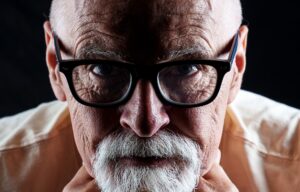
Piftemaen reflects on reviving “2060 or So,” using music as a platform for climate awareness, creative freedom, and outspoken social commentary in an increasingly uncertain world.
1. “2060 or So – Short Version” revisits a song you originally released under your former artist identity, Jake’s Jacket. What inspired you to bring this track back, and how does it reflect where you are creatively today?
I have worked with Caroline Lavelle and did not want to drag her into my political activities, so I took a new profile under the name Piftemaen, a nickname I got from one of my local fans. But still, I had an urge to bring “2060 or so” forward. After getting to know Caroline a little better, I thought she would not be doubtful about collaborating with the originator of this song, although she herself always has a more polite and soft attitude. Yes, I wanna save humanity from itself. people may think what they want. Soon in a couple of decades I’ll be gone anyway. One fine thing about getting older is that you can give a damn.
2. The song addresses climate change and uncertainty about humanity’s future. What message or feeling did you most want listeners to take away from the lyrics and the music?
I wanted to scare them into action. That is not very pedagogical, I know. But I sometimes get impatient. We must face the abyss, but not fall into it. Humans will survive; we can adapt to almost anything. But how many will be left, and how is their life going to be? We are in control if we plan for the future, not only a decade ahead. It is our choice.
3. You mentioned that the original version was over nine minutes long. How challenging was it to condense such an expansive piece into a shorter format while preserving its essence?
There are 4 verses, but the first 2 are enough to put climate on the agenda. The long version also has more solos. Actually, it was easy to make it shorter. The verses end with the line “hum the tune of the death row”, so I just had to include the humming part.
4. Throughout your career, the saxophone has often served as your primary voice of expression. How did the saxophone help communicate the emotions and urgency behind “2060 or So”?
I am known for being an emotional player. Autodidacts like me don’t know much about the “right” way of doing things, so we tend to develop a personal style. Luckily for me, this has had appeal for my audiences. Playing on this song, I wanted to express desperation.
5. After spending decades balancing music with a career in construction, you often speak about the creative freedom of being an independent artist. How has that freedom shaped your approach to songwriting and recording in recent years?
I have raised 4 children and had 4 cohabitants, and jobs with sufficient income have been hard to get sometimes. I did sessions and played in more than twenty bands through the years; I also had a recording contract in the mid-80s but turned it down because it was a split deal I could not afford. So, I concluded on doing my duties to my family and wait for the fun. Now life smiles at me, and I am truly a late bloomer who can make music because I have retirement money. I am in good health and everything is wonderful. My kids are grown up, they are doing OK, I am free to do what I want at last. Before I lie down for good, I make music without compromise, I have nothing to lose on being stubborn, I don’t have a 50-year musical career ahead of me and do not have to please everybody.
6. The name “Piftemaen” suggests a whistleblower—someone unafraid to speak out. In today’s world, do you feel artists have a responsibility to address important social and environmental issues through their work, or is it simply a personal choice?
I am controversial at times; I can be direct and have a temper. But channeling that energy into music makes something good out of what may be negative in the first place. I have been known for speaking up when others sit still, so I have been a spokesman for construction workers and others on several occasions, and I raise my voice whenever I think the situation calls for it. I think that the phone gazing people now growing up are unsecure in social life, and the conformity pressure is high. Social media often bring ugly consequences to those who speak up (so I use a dumbphone and are offline most of the time). The world is now more complicated than ever it seems, and important issues have to be handled (as I mention in the song text). Democracy won’t work if there is no discussion going on. I think artists should speak up (like many did in the 1980s), but it takes courage that not so many have today. I am old and give a damn anyway, and I am kind of glad that I am not around anymore when the shit finally hits the fan for real.