
The Quiet North
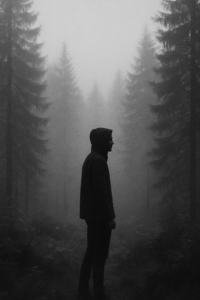
Emerging from overload into stillness, The Quiet North crafts a cinematic, introspective world where space, memory and emotion breathe—inviting listeners to slow down, reflect, and rediscover calm within the noise.
1. The Quiet North was born from a personal journey through noise, overstimulation and recovery. Can you tell us more about the moment you realized music had become your path back to clarity and calm?
I don’t think there was one single dramatic moment. It was more like a slow realization.
After many years of building digital products and companies, my head had been full of noise for a long time — decisions, pressure, screens, responsibility, constant movement. Music became the opposite of that. It was a place where I didn’t have to optimize anything. I could just listen, feel and create.
At first, The Quiet North was not meant to become a big project. It was just a quiet creative outlet. But very quickly, I noticed that the songs were helping me return to something clearer and calmer in myself. They gave shape to feelings that were hard to explain in ordinary language.
So in many ways, The Quiet North started as a way of finding space again — moving from inner noise toward stillness.
2. Your debut album Stillness Is A Sound carries a very cinematic and emotional atmosphere. What was the creative vision behind the album, and how did you want listeners to feel while experiencing it?
The vision was to create an album that felt spacious, emotional and cinematic, but still intimate. I wanted it to feel like walking through a northern landscape at dusk — quiet, open, a little melancholic, but also full of light.
The title Stillness Is A Sound says a lot about the idea behind the record. I’m interested in the emotional weight of silence and space. Sometimes the most powerful moments in music are not the loudest ones, but the ones where something is allowed to breathe.
I wanted listeners to feel like they could step into the album and slow down. Not escape the world completely, but find a quieter place inside it. A place for memory, longing, recovery and calm.
3. Songs like Southbound, Northbound and Frozen For A While seem deeply connected to themes of movement, memory and reflection. How much of the album is inspired by your own personal experiences and emotions?
A lot of it comes from personal experience, but I try to leave enough space for the listener to find their own story in the songs.
Southbound and Northbound both carry a sense of movement — physically, emotionally and creatively. They are connected to travel, light, family, change and the feeling of looking for something warmer or clearer. Frozen For A While is more about being emotionally stuck, or paused, and slowly finding your way back into motion.
I think many of the songs are about transitions. Moving from pressure to presence. From uncertainty to acceptance. From noise to something more still.
So yes, the album is personal, but not in a diary-like way. It is more like emotional weather. The songs come from real feelings, but hopefully they become open enough for other people to live inside them too.
4. The project features collaborations with musicians from across Europe, the US, South Africa and Australia. How did these international collaborations shape the sound and identity of Stillness Is A Sound?
The collaborations have been essential. The Quiet North began with a very personal vision, but it became much richer through the people who contributed to it.
Vitaliy Kozubenko in Ukraine has been a central part of the sound, bringing beautiful arrangements, guitars, bass and textures that gave the songs more depth and movement. Thom Hell brought a strong Norwegian musical presence, while VÂN SCOTT, Ollie Wade and Fitz Brothers each added different emotional colors and vocal identities.
What I love is that even though the project is rooted in the North, the sound has been shaped by people from many different places. That gave the album a wider emotional landscape. It still feels Nordic to me, but not closed in. It feels like northern light meeting voices and textures from the rest of the world.
5. Your music blends indie folk, ambient textures and Nordic melancholy, while drawing inspiration from artists like a-ha, Coldplay, Sigur Rós and Arcade Fire. How do you balance these influences while still creating something uniquely The Quiet North?
For me, influences are more about emotional direction than sound alone.
From a-ha, I’m drawn to the melodic melancholy. From Coldplay and Keane, there is that emotional openness and sense of lift. Sigur Rós has this glacial, almost spiritual atmosphere, while Arcade Fire and Band of Horses bring a sense of scale, movement and emotional directness. And then there is the Scandinavian melancholy of artists like Kent, which has been part of my musical DNA for a long time.
The Quiet North exists somewhere between those references, but the identity comes from filtering them through my own landscape — Nordic light, quiet spaces, memory, restraint and atmosphere.
I think the unique part is the combination of intimacy and distance. The songs are emotional, but they are not trying to shout. They are trying to stay with you quietly.
6. Stillness Is A Sound feels like both a musical statement and a personal document of healing and rediscovery. Now that the album is out, what do you hope this first chapter of The Quiet North will say to listeners around the world?
I hope it says that stillness is not emptiness. It can be full of life, memory, emotion and movement.
For me, this first chapter is about finding calm again, but not in a perfect or polished way. It is about accepting uncertainty, letting things breathe, and realizing that quiet moments can carry a lot of meaning.
If listeners around the world hear the album and feel a little more space around themselves, that would mean a lot. Maybe it can be something they return to on a walk, in a car, late at night, or during a period where life feels noisy.
I hope Stillness Is A Sound becomes a place people can enter when they need room. Music that gives room — and stays.