
Eric Alexandrakis
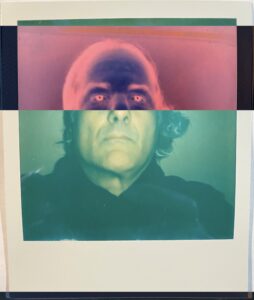
Blending experimental sound and cinematic vision, Eric Alexandrakis discusses “Life Is Better Live,” avant-garde influences, and his uncompromising approach to chaos, control, and artistic expression.
1. “Life Is Better Live” serves as both a standalone single and a film soundtrack—how did you approach balancing its identity between a purely musical piece and a visual narrative companion?
I’m a big fan of Karlheinz Stockhausen and John Cage, who are composers that utilized a lot of the same approach. The guide was actually a voiceover to the short film this is synched to, and I wanted to follow the inflections and emotion with the sonics. I generally tend to push everything I do creatively beyond the boundaries because I don’t like being in a box. The balance came from the realization that I don’t want it to be just sound, and music only wouldn’t bring the unique intensity that was necessary, so I just experimented to see where it went, and this came out. Kind of like experimenting with a cocktail drink filled with bug spray. Subtle effects of nausea followed by violent vomiting…then you die!
2. This release pays homage to avant-garde pioneers Karlheinz Stockhausen and John Cage—what aspects of their philosophy or techniques most directly shaped your creative decisions here?
I’ve always felt they had a punk ethic, going completely against the grain of conformity, and what is acceptable as “music”, or as an art form in general. I love artists who do their own thing their own way.
3. The track was recorded on Okanagan Lake in British Columbia, an unusual and evocative setting—how did the environment influence the sonic textures and overall atmosphere of the piece?
I can’t place any kind of obvious influence aside from maybe a subconscious one. It’s calm there, so maybe that inspired the ending, hard to say really. A calm environment does provide mental space for creativity.
4. You’ve described the work as capturing “the chaos outside.” What does that chaos represent to you, and how did you translate such an abstract concept into sound design and structure?
There’s always chaos in the world as humans are generally horrible creatures in nature as a whole, but during these days, at a time where conflict has become currency, everyone is trying to monetize all at once. That’s the sound.
5. This project is tied to Steppenwolf Theatre Company’s 50th anniversary and Sandro Miller’s multimedia exhibition—how did collaborating within that broader artistic framework shape the final outcome?
Sandro always encourages me to do whatever I want musically during all of our projects together, which is an absolute gift from someone so talented and accomplished. He wanted something chaotic, which made me smile because chaos is great fun to work with if done right, and have the right person to mix. Brian Leitner was the mix engineer, and he’s mixed our other films with John Malkovich. He always knows what everything needs.
6. Having handled nearly every aspect of the track—from composition to performance—what did this level of creative control allow you to explore that might not have been possible in a more collaborative setting?
I’ve always done all of the audio work on pretty much everything, with very few exceptions. I’m not a fan of collabs on my solo tracks, as I feel like it’s either done my way, or the wrong way. It’s not ego, or maybe it is. I’ve just had too many bad experiences in the past, and also I want it to sound the way it sounds in my head, not someone else’s. When I do bring others in, it’s because it’s people I know who will make it better, and that’s always a delight.