
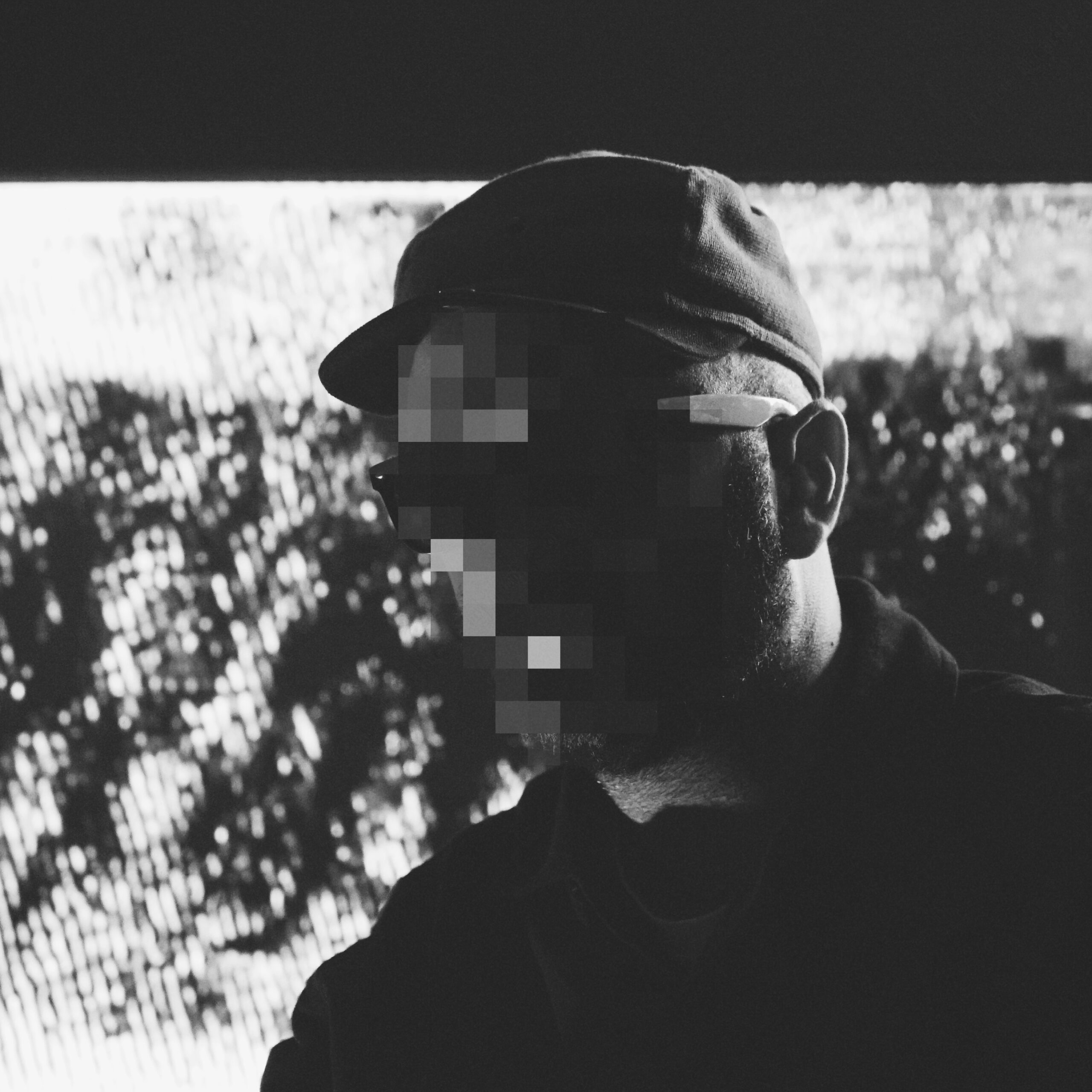
Blending retro gaming nostalgia with futuristic electronic textures, Komok crafts immersive sonic journeys—this interview explores his vision, experimentation, and the evolving concept behind his project, Protopia.
1. Your latest track blends video game soundtracks, acid house, and psychedelic electronica—what inspired you to fuse these particular influences into one sonic identity?
I think a lot of it goes back to growing up in the ’90s. I can still remember the music from 8-bit video games, often more vividly than the games themselves. They had this ability to be simple but still incredibly emotional and immersive.
With Protopia, I wanted to reconnect with that feeling and translate it into something more contemporary—to strip things back and commit fully to an electronic language—exploring what I could express using only synths, machines, virtual instruments, and sound design to create something that moves, evolves, and tells a story.
When it comes to genre, I don’t really think in terms of labels while I’m making music. That only comes later, when I have to tag it for the music platforms so people can discover it. It’s not a part of the process I enjoy, but it’s kind of unavoidable now—you end up trying to create something unique and new, only to then have to fit it into categories afterwards for the sake of accessibility, it’s kind of funny.
2. The track feels like a “cosmic journey” with a strong build and explosive synth solo. Do you approach composition with a narrative or visual concept in mind?
When I write music, I often have a kind of vision in mind, but it’s never fully formed from the beginning—it’s more of a vague, subconscious feeling that develops alongside the track. As the music grows, so does that internal imagery, until it becomes something almost visual.
That’s where the idea of “micro-films” comes in. I create visualizers that feel like short trailers—fragments of a larger story that isn’t fully explained. They’re meant to suggest a world, an atmosphere, or a narrative, but leave enough space for the listener to fill in the gaps. The whole album is built around this approach, where each track is essentially a glimpse into a possible—or alternate—world, shaped as much by feeling and atmosphere as by sound.
3. Protopia suggests a futuristic or idealized world—what does that concept mean to you, and how is it reflected across the album?
The title Protopia reflects that concept of alternate world, or worlds. It came as a reaction to the world we live in now. I wasn’t interested in imagining a perfect utopia, because that always feels unreachable, and I didn’t want to lean into dystopia either, because in many ways it already feels like we’re experiencing that in real life. What interests me more is the idea of something in between—worlds that are evolving, unstable, still being shaped. Protopia is about progress rather than perfection, about the possibility of change. The word itself refers to “a society that improves gradually over time,” and that’s something I truly (want to) believe in. I see that potential in younger generations—often very young people—doing remarkable things, standing up for the planet, for human rights, sometimes even putting their own lives at risk to push things forward despite everything. That’s something I find incredibly powerful, and I think it’s something we should truly be in awe of—there’s something deeply human(e) about it.
The album also draws from inspirations like Vaporwave and the broader Solarpunk movement, especially that idea of a future where technology, nature, and living beings can coexist in a more balanced and sustainable way. So even if these worlds feel a bit distant or speculative, they’re not completely out of reach, or not yet.
4. Your sound is described as bold and unpredictable. How do you balance experimentation with maintaining a cohesive listening experience?
To be completely honest, I never approached music-making by thinking about an audience—it’s quite an inward process. I just focus on making something that feels right to me. I’ve spent a lot of time creating music to support other media, and I really enjoy it—it gives you more freedom to experiment, to push to the limit. But this felt different. This felt like something that could stand on its own, something I actually wanted to share as it is. And I think that’s where the cohesion comes from—no matter how varied or unpredictable the tracks might be, they all come from the same place and the same instinct.
5. There’s a nostalgic, almost retro-gaming feel in your music, yet it still sounds forward-thinking. How do you achieve that balance between past and future?
It’s not something I consciously plan in advance. My process itself is quite instinctive, and—some might say—a bit chaotic… I tend to work on multiple tracks at the same time, adding things, taking them away, reshaping them until something clicks.
The nostalgic side probably comes naturally from those early influences we talked about—the sounds that stayed with me over time. The forward-thinking aspect, on the other hand, comes from the unexpected: combining those influences in new ways, pushing them somewhere unfamiliar, and trying to push them somewhere new.
It’s really about that balance between memory, what feels familiar, and experimentation—taking what was already there and reimagining it into something new, something interesting, something that I hope others will resonate with.
6. For listeners discovering your music for the first time, what kind of experience or emotion do you hope they take away from this track and the upcoming album?
I think, more than anything, I’d love for people to really pause with it. To take the time to just lie down and listen—fully.
It’s something we used to do more naturally, before streaming, when you’d buy a record, a CD, or a cassette and spend time with it, almost learning it by heart. That kind of focused, intentional listening feels a bit lost now, and it’s a precious experience that I really miss.
So if there’s one thing I hope people take away, it’s that experience of being immersed—letting the music unfold in its own time. The music is really just meant to act as a guide for people to create their own stories. That’s probably also why I’ve chosen to keep it instrumental—I like the idea that the sound can suggest a direction or a feeling, but without lyrics spelling everything out.
It leaves space for interpretation. In a way, the listener becomes part of the process, free to complete the picture in their own way and give the music its final meaning.
Copyright © 2026 The Inteviewist