
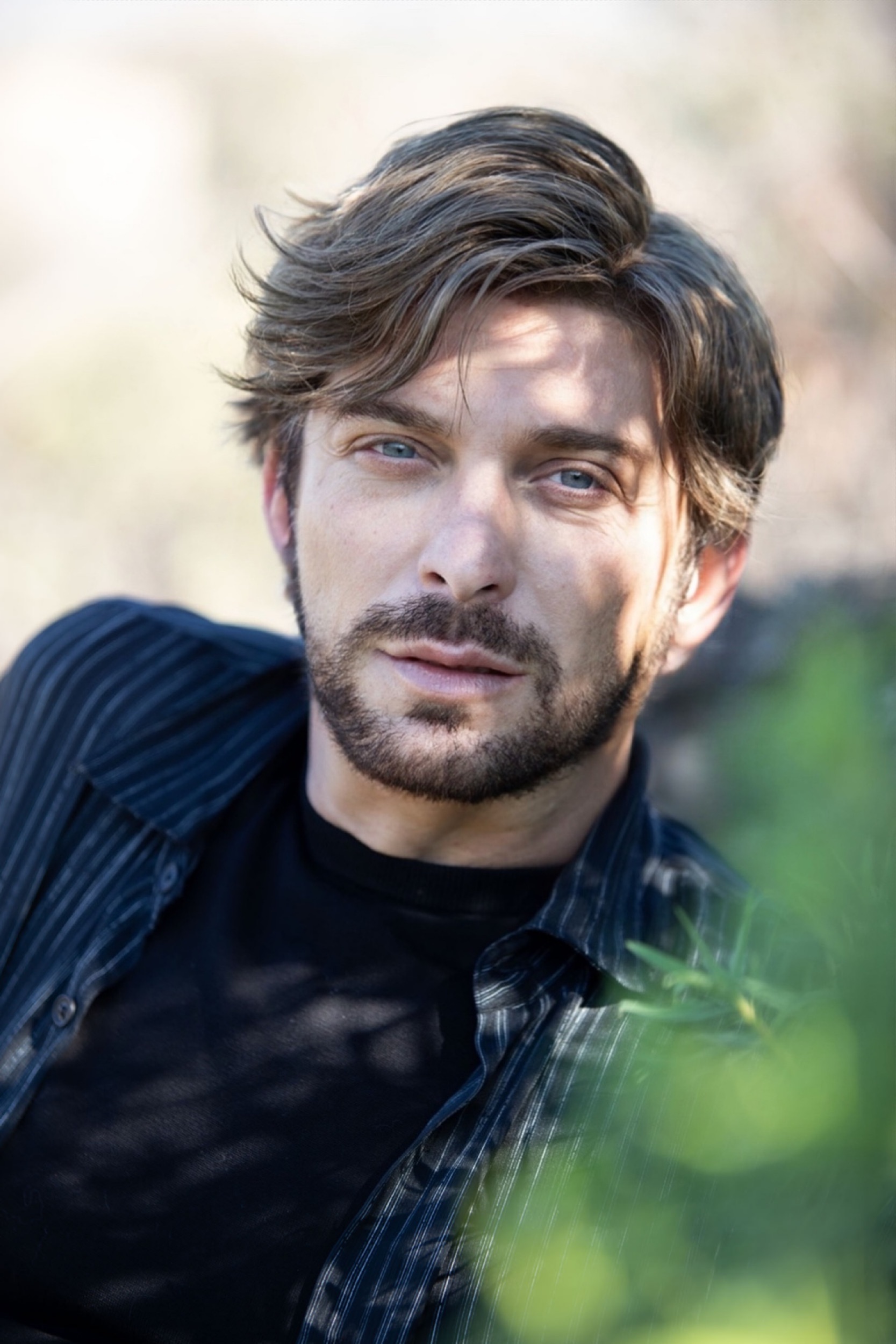
“21grammi” reveals the unseen emotional weight we all carry. In this interview, Giuseppe Cucé opens up about the album’s origins, creative process, influences, and the intimate vulnerability shaping his sound and upcoming tour.
1. “21grammi” explores the invisible emotional weight we all carry. What personal experiences or turning points made you realise this concept was the heart of your album?
There wasn’t a single moment—it was an accumulation of small fractures.
In recent years I understood that the most significant things in life often happen in silence: a look that lingers, a door that closes, a memory that resurfaces without permission.
I realised that the human soul carries a weight made of desires, absences, regrets, and rebirths. Those “21 grams” became a metaphor for everything we cannot measure but deeply feel.
The album was born from the need to give shape to that invisible heaviness and transform it into something that could breathe, vibrate, and, hopefully, heal.
2. The album blends poetic realism, intimate songwriting, and cinematic indie-pop elements. How did you find the balance between raw vulnerability and crafted production while maintaining the album’s emotional truth?
The balance came from not forcing anything.
I wrote the songs in their most fragile, unpolished form—just voice and piano or acoustic guitar. We protected that vulnerability like a sacred space.
In the studio, we worked to enhance emotions rather than decorate them.
If an arrangement didn’t serve the story, we removed it.
If a slight imperfection in the voice was truthful, we kept it.
The goal was simple: to let the songs feel alive, to let them breathe and tremble the way real emotions do.
3. You collaborated with an impressive team of musicians and creatives. How did their contributions shape the atmosphere, textures, and emotional depth of the record?
Working with this team was like navigating different shades of the same emotion.
Each musician brought something deeply personal:
• the string players added a cinematic fragility,
• the guitar and piano lines gave the songs their heartbeat,
• the percussions created movement without ever overwhelming the intimacy.
My producer, Riccardo Samperi, played a crucial role.
He knows how to listen not only to the notes, but also to the silence between them.
He helped me preserve the soul of every song while giving the album a cohesive, breathing soundscape.
This record exists because we created a shared emotional language.
My identity remained central because every song was born from a personal need before becoming music.
The emotions, the imagery, the stories—they all come from my life, my city, my memories.
So even when the arrangements flirt with international sounds, the heart always remains unmistakably my own.
5. Recording at TRP Studios — a place tied to your roots — clearly shaped the album. How did the environment, analogue gear, and experimental recording techniques influence the final sound?
TRP Studios is more than a studio for me—it’s a place where I grew up artistically.
Its analogue warmth and the experimentation-oriented approach shaped the album’s identity.
We used:
• vintage microphones to capture the breath and intimacy of the voice,
• tape saturation to give warmth and imperfection,
• room acoustics to let instruments resonate naturally.
The studio holds a unique energy: it’s suspended between tradition and experimentation.
That duality became the sonic foundation of 21grammi.
6. With the upcoming 21Uniradio Tour 2025, you’re bringing these songs into intimate live settings. What do you hope young listeners and emerging artists will feel or take away from hearing “21grammi” performed acoustically?
I hope they feel permission.
Permission to be fragile, to be honest, to not have everything figured out.
“21grammi” in an acoustic setting becomes even more exposed—there’s nowhere to hide.
I hope young listeners see that vulnerability is not a weakness but a powerful creative force.
And for emerging artists, I hope this tour shows that music doesn’t need spectacle to be meaningful: sometimes a voice, a guitar, and a true story are enough.
Grazie mille
Copyright © 2026 The Inteviewist