
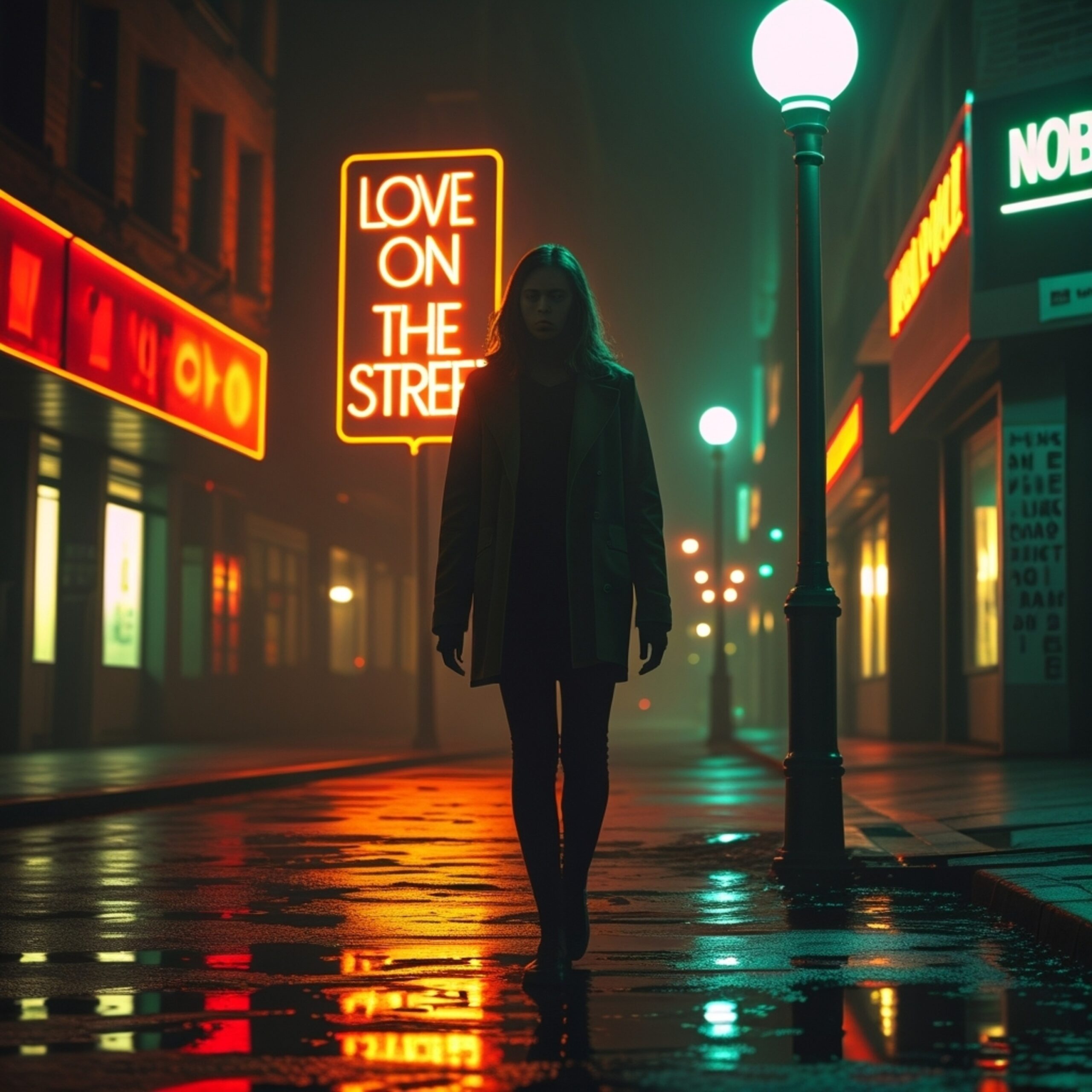
New Nobility’s Lone Wolf and Sead Trnka discuss their song ‘Love on the Street,’ highlighting its message of compassion, global collaboration, and reggae’s power to raise awareness on poverty and trafficking.
We want listeners to understand that love isn’t just a feeling it’s an action. Love on the Street calls people to see those who are too often invisible the homeless, the vulnerable, the exploited. The message is simple but powerful change begins with compassion, and we all have a role to play in restoring dignity to others.
Reggae has always been more than a genre it’s a global heartbeat of unity, truth, and resistance. Its rhythm connects people across borders and cultures, and its roots in social justice make it a natural vehicle for raising awareness. In today’s world, where division and inequality still run deep, reggae remains a voice of conscience that reminds us of we’re all part of one human family.
That mix of cultures brought a real depth and energy to the project. Everyone brought their own story and influence from European production finesse to Australian storytelling and Balkan soul. The result was a fusion that transcended borders, reflecting the global nature of the issues we’re singing about. It made the song feel like a united front musicians from different parts of the world standing together for humanity.
The inspiration came from seeing both the pain and resilience of people living on society’s margins. There’s heartbreak in knowing how many lives is touched by poverty and trafficking, but there’s also strength and courage in those who survive it. That contrast, sorrow and hope, guided every note and lyric we wrote.
We wanted to be truthful about the suffering but not leave people in despair. The verses paint the raw, unfiltered reality, while the chorus opens the door to hope a reminder that love can transform even the darkest corners. The instrumentation and harmonies also help strike that balance, moving from sober tones to uplifting melodies that mirror the journey from struggle to light.
We hope it sparks empathy first because empathy leads to action. If the song moves even one person to get involved, volunteer, or simply look differently at someone on the street, then it’s done its job. Music has the power to open hearts and start conversations where words alone might fail, and “Love on the Street” is our way of adding that voice to the global fight for justice and human dignity.
Copyright © 2026 The Inteviewist