
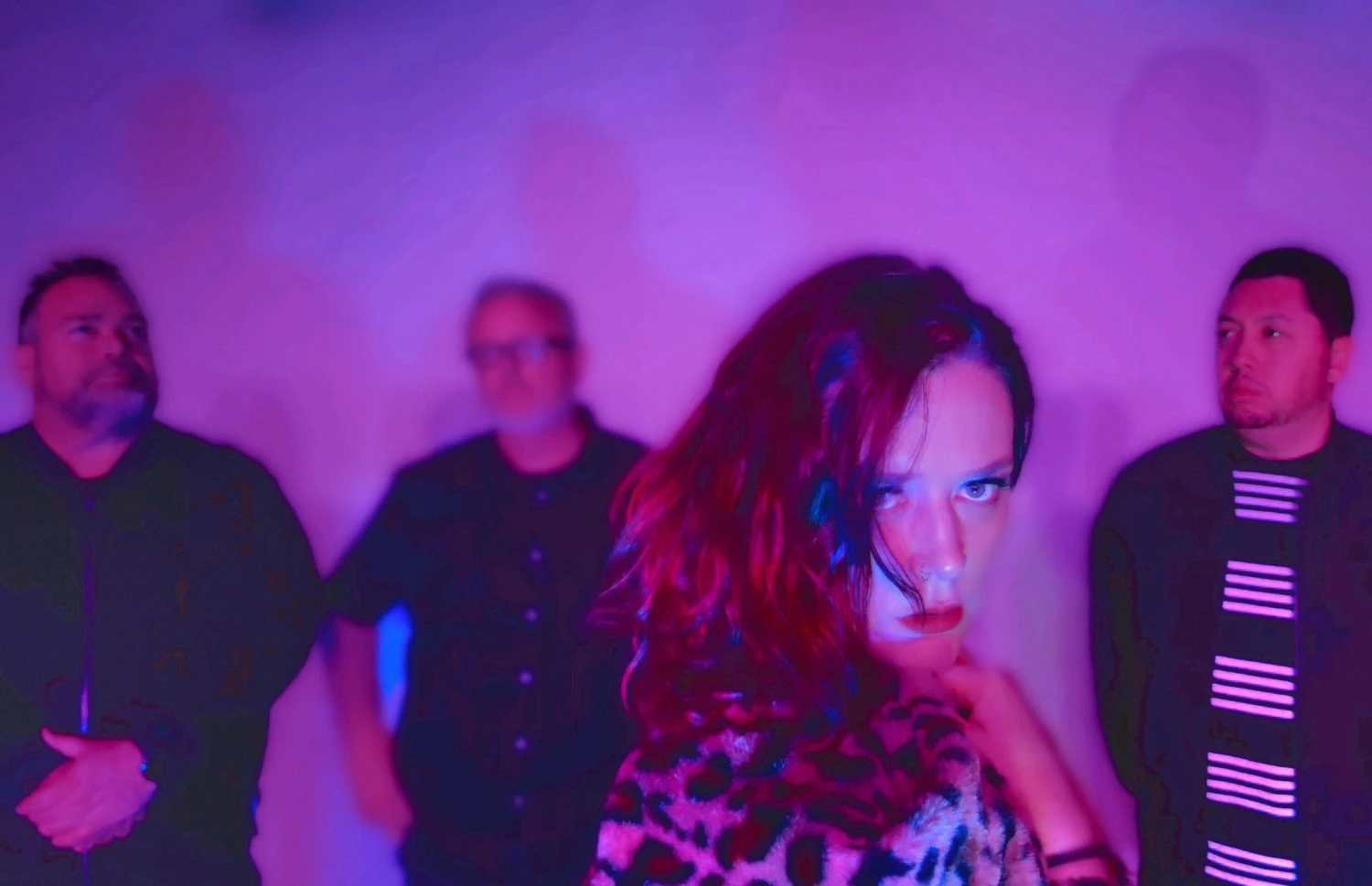
Echomatica’s debut album is a lush, analogue-crafted journey through emotion and atmosphere — blending alt-rock, dream pop, and trip hop into something both nostalgic and new. In this interview, the band reflects on recording live to tape, rediscovering vulnerability through voice, and finding beauty in imperfection.
It was a deliberate choice. I think it came from wanting to work within the constraints of performing the music live to capture the feel of the songs as we play them. There was also a sense of romanticism for classic albums we love. There’s definitely a vibe and an energy – perhaps with a little imperfection here and there – that you hear on so many albums made on tape that have stood the test of time, with a warmth and depth that’s often commented on.
We didn’t realise, though, it would be so hard to find a way of recording that way, but then we talked to Darren from Earwig studios in Auckland – he has this treasure trove of vintage gear and really knows his stuff, so that was a game-changer for us. He totally got it right away, and actually gave us some discipline in the studio – if we got it wrong, there was no talk of overdubs. The challenge was to get it right first time lol.
I think it’s really about tone. Maybe it lent an intimacy, and approaching the songs slightly differently – what seemed like a problem turned out to serve the songs in a way, even if it made it more challenging in some respects.
Yes, the sound we’ve arrived at does have a bit of a retro mix-tape vibe, we feel. The actual sound grew from some fundamentals we wanted to play with. The wash of the guitars, and also the electronica elements. Our guitarist and programmer AJ is a drummer, and his input on the indietronica side was a conscious decision to try something different – harking back to some of the bands he was influenced by in Manchester, UK, and a little bit of those great trip-hop giants like Massive Attack.
We all brought maybe slightly different elements, but we’re all music obsessives. For example, Charlie has some blues and even jazz influences, whereas Scott and Matt bring strong kiwi music scene DNA. AJ brought a touch of Mancunian groove and atmosphere, whereas Matt also likes to bust out a little more distortion now and then. Where our influences converged most would probably be bands like New Order, M83, and a lot of post-punk, but also some shoegaze elements. We’ve heard a lot of comprisons to 90’s indie bands, which we think is super cool!
Probably the track ‘What Is This”. There’s something about the tension in the verse and the way it resolves into a lovely chord progression for the chorus. The use of ebow adds the dramatic tension, and Charlie’s vocals somehow manage to be melancholic and uplifting simultaneously. I ended up re-writing the bassline on the third take as I wasn’t feeling it – in the end, I thought less and ‘felt’ the song more – that’s the take on the album.
I think it maybe was a reflection of current times, particularly on where technology is heading with the advent of AI in what is such a polarised world. Message? Well, it is quite intense, but the final chord actually takes a random left-turn and introduces a major chord. Maybe it ends with a hint of optimism. Our music often seems to tend towards emotional depth and elements of melacholia, but we’re actually not miserable by nature! If our music explores anything, it’s the pleasure and joy you can find in the bittersweet, which is where we often seem to end up, musically speaking.
Copyright © 2026 The Inteviewist